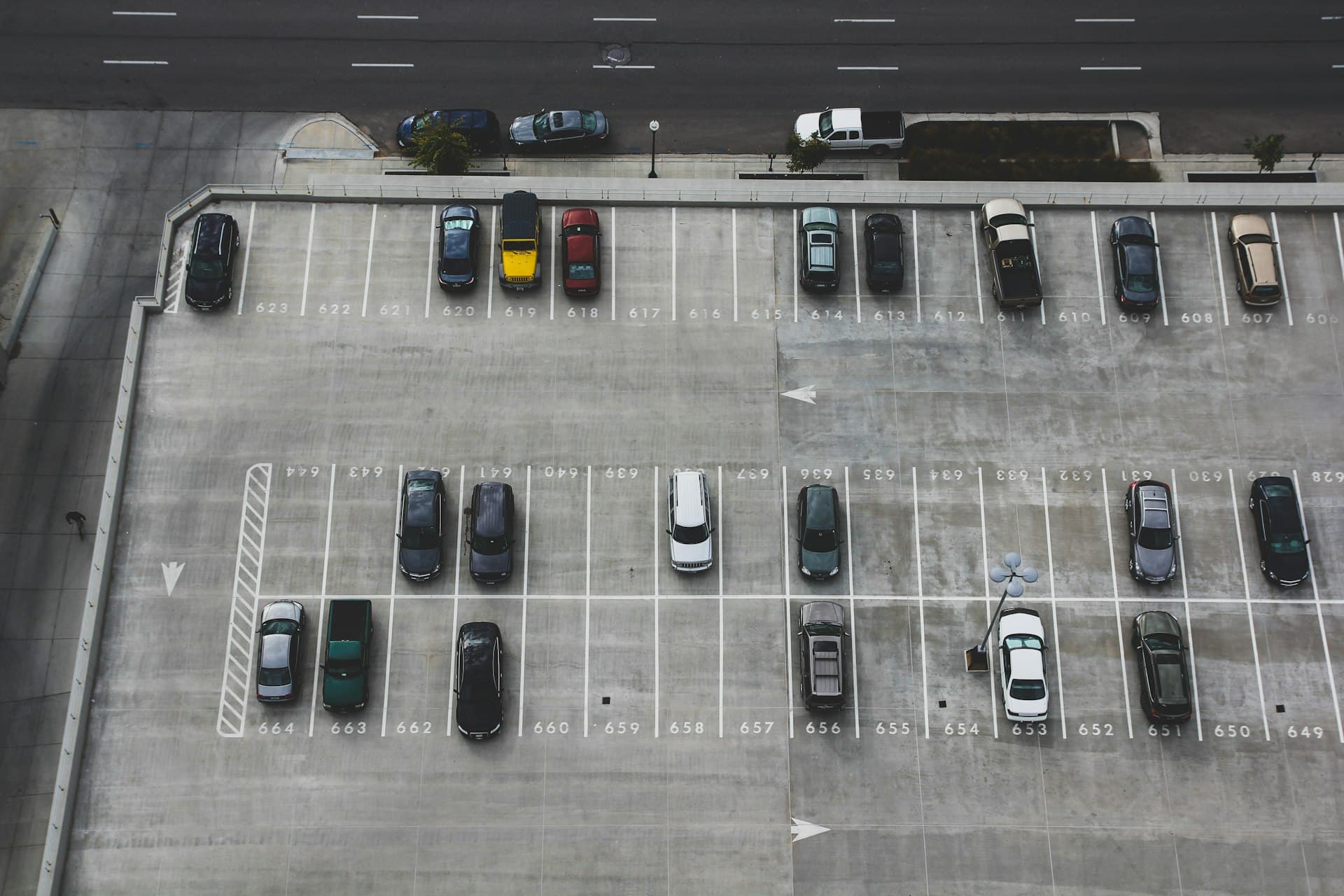
The typical fleet management conversation focuses on the vehicles you have: how to track them, maintain them, and manage their compliance. But there's a more fundamental question that GPS data can answer: do you have the right number of vehicles in the first place?
For most fleets, the honest answer is no — they have more vehicles than necessary because utilisation data has never been visible enough to justify reducing the fleet.
What pool booking actually measures
Argus Pool Booking integrates directly with live GPS tracking, which means every booking is checked against actual vehicle availability. When a vehicle is returned and parked, the system knows. When it's checked out, the system knows. And critically, when it sits idle for days at a time, the system knows that too.
Over a 90-day period, Pool Booking data typically surfaces a clear picture:
- Which vehicles are fully utilised (consistently booked and in use)
- Which vehicles are frequently available but rarely booked
- Which vehicles are booked but not actually driven (a logbook problem)
- Which time periods have excess demand vs excess supply
The case for fleet reduction
A vehicle that sits idle 60% of the time isn't free. It has depreciation, insurance, maintenance, compliance (WOF, COF, Rego, RUC), and storage costs. For a typical light commercial vehicle, those fixed costs can easily reach $8,000–$15,000 NZD per year.
If Pool Booking data shows that three vehicles are consistently underutilised and that demand could be met by two, the business case for reducing the fleet — or redeploying those vehicles to a higher-demand function — is straightforward.
Making the transition to shared vehicles
- Start by identifying vehicles with the lowest utilisation rates over the last 90 days
- Map demand patterns by day and time to understand whether the underutilisation is structural
- Introduce a booking system before removing any vehicles so staff establish the habit
- Use Driver ID to ensure bookings match actual drivers for accurate timesheet and cost allocation data
Pool booking isn't just a convenience feature — it's a data collection tool that pays for itself by enabling better fleet sizing decisions.