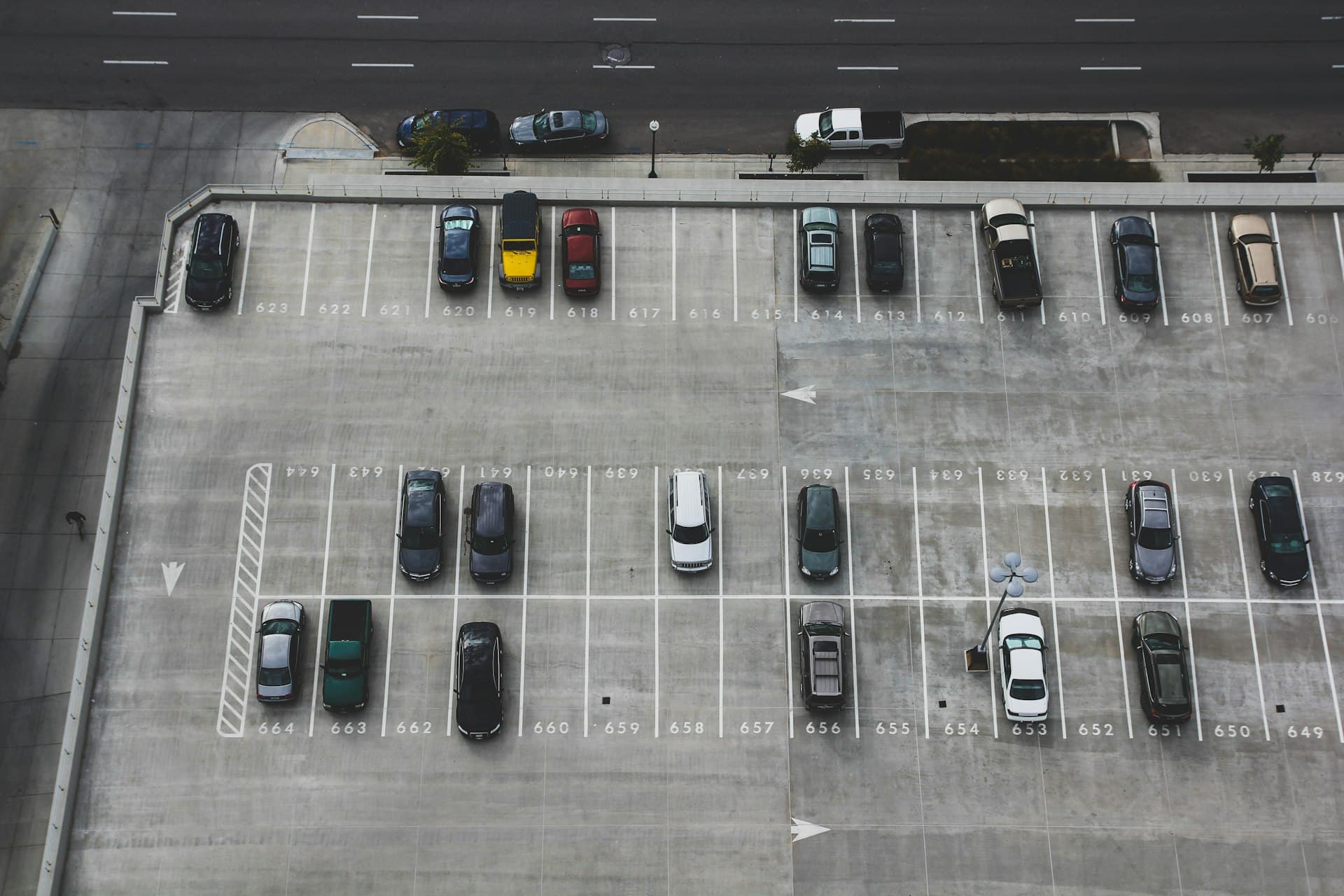
There's a common assumption in fleet management that the cost of a vehicle is tied to how much it moves: fuel, tyres, maintenance wear. But the fixed costs of keeping a vehicle in a fleet — registered, warranted, insured, and depreciated — accumulate whether the vehicle moves or not.
For most fleets, idle vehicles are the biggest source of hidden cost.
What idle actually means
In fleet management, there are two kinds of idle:
Engine idle — the vehicle is running but stationary. This burns fuel, creates emissions, and adds engine hours without adding productive distance. Drivers waiting at customer sites, warming up vehicles, or running the air conditioning while parked are the most common sources.
Asset idle — the vehicle isn't being used at all. It's parked at the depot, allocated to a department that doesn't need it this week, or sitting in a pool because nobody booked it.
Asset idleness is the more expensive of the two, but it's also the less visible.
Quantifying the cost
For a typical light commercial vehicle in New Zealand, the fixed costs of fleet ownership — Rego, WOF/COF, insurance, depreciation, and financing — can easily total $12,000–$20,000 NZD per year, depending on the vehicle and how it's financed.
A vehicle that's idle 50% of the time isn't costing half that — it's costing almost the full amount. The variable savings from not driving are real but modest compared to the fixed cost base.
How to measure idleness
Argus Stop Reports record every stationary period by vehicle and duration. Over a week or month, this data shows clearly which vehicles have the highest ratio of idle time to active time.
Pool Booking adds another layer: it shows which vehicles are being allocated but not used, which are not being allocated at all, and which have a booking rate that's consistently below demand. Combined, these two data sources give a complete picture of fleet utilisation.
What to do with the data
- Identify the five most idle vehicles in your fleet by stop time ratio
- Determine whether idleness is structural (wrong vehicle for the function) or behavioural (engines left running unnecessarily)
- Use the data to make the case for fleet right-sizing, departmental reallocation, or driver coaching
- Set up alerts for engine idle events exceeding a threshold duration
The fleets that manage cost most effectively aren't just tracking where their vehicles go — they're tracking where they aren't going, and acting on what they find.