Fuel Costs Are Rising. NZ Fleets Are Losing Visibility Over Where the Money Goes.

Most New Zealand fleet operators already know fuel is one of their largest operating costs.

The challenge is that many still don’t know exactly where that cost is being lost.

Not through obvious misuse or major operational failures, but through small inefficiencies that compound across vehicles, drivers, routes, and worksites every day:

  • Excessive idling

  • Inefficient routing

  • Poor vehicle utilisation

  • Maintenance issues affecting fuel efficiency

  • Manual compliance processes that consume operational time

Individually, these issues rarely feel urgent. Across a growing fleet, they become expensive very quickly.

And with tighter margins, rising operational costs, and increasing pressure for accuracy around compliance and reporting, “close enough” is becoming harder to sustain.


The issue isn’t awareness. It’s operational visibility.

Most fleets already track fuel spend at a high level. The problem is that many still lack clear operational visibility into:

  • how fuel is actually being consumed,

  • where inefficiencies sit,

  • and which costs can realistically be controlled.

If operators can’t see fuel use at the level of vehicles, routes, assets, or driver behaviour, they’re not actively managing fuel performance — they’re reacting to it after the fact.

That model worked when costs were lower and operations were simpler. It’s becoming far less effective now.

For many NZ service and infrastructure fleets, operational complexity is increasing at the same time:

  • dispersed field teams,

  • mixed diesel and EV environments,

  • higher customer expectations,

  • and growing administrative requirements around compliance and reporting.

The result is that operational inefficiencies that once sat quietly in the background are now becoming visible in the numbers.


eRUC is part of a much bigger operational shift

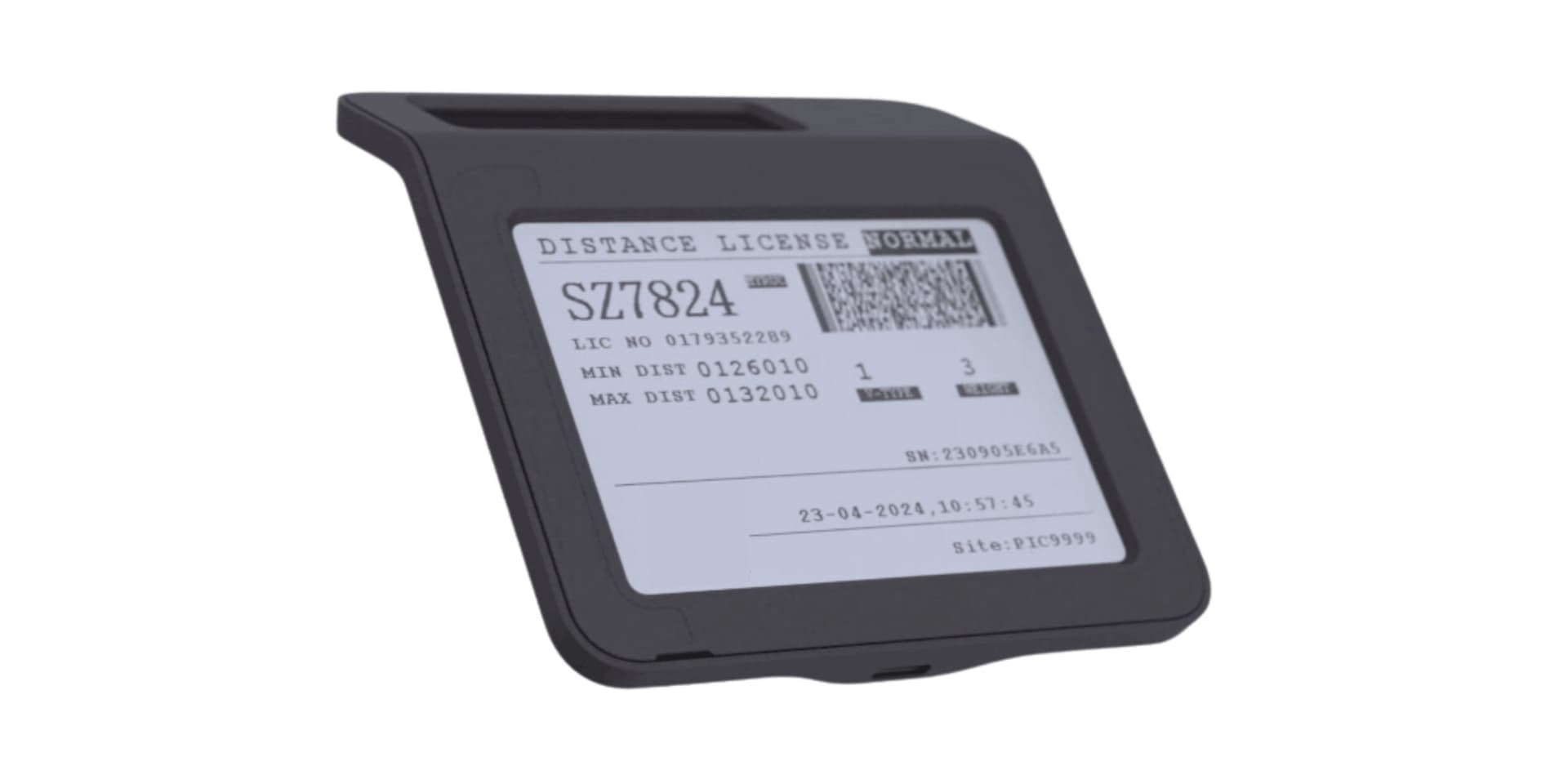
The move toward electronic Road User Charges (eRUC) is often discussed as a compliance or administrative change.

In reality, it reflects a broader shift toward operational precision.

Fleet systems are moving:

  • from manual to automated,

  • from periodic reporting to continuous reporting,

  • and from estimated data to real-time operational data.

For fleets still relying on spreadsheets, manual odometer reconciliation, or fragmented reporting processes, that shift matters.

Not because compliance is suddenly becoming impossible but because operational tolerance for manual inefficiency is shrinking.

As fleets scale, even small reporting inaccuracies or administrative delays create unnecessary operational friction.

Argus Tracking, a New Zealand fleet management software provider using Teltonika telematics hardware across its solutions, says fleets are increasingly looking beyond basic compliance and toward broader operational visibility.

“What we’re seeing across New Zealand is that fleets are no longer just looking for a simpler way to manage compliance — they want clearer operational visibility across the business,”

says Dan Marson, Head of Sales & Operations at Argus Tracking.

“Around 70% of the SME and tradie fleets we speak with are now enquiring about RUC digitisation, while fuel visibility and operational cost control are becoming much bigger priorities across the wider market.”

“As operational costs continue to rise, more businesses are looking for ways to reduce manual admin while gaining clearer insight into fuel spend, vehicle activity, and operational inefficiencies. That’s where connected platforms and tools like Fuel Watch are becoming increasingly valuable.”


Legacy systems are starting to show their limits

The recent 3G shutdown highlighted something many operators had not fully considered: fleet systems are only as reliable as the infrastructure underneath them.

For some fleets, the transition was seamless. For others, tracking visibility dropped unexpectedly as older systems stopped reporting reliably.

The broader lesson is not simply about connectivity.

It’s that operational systems can quietly become outdated while still appearing functional — until something changes.

And as fleet operations become more data-driven, that gap becomes more expensive.


The fleets responding best are becoming far more data-driven

What’s changing globally is not whether fleets use telematics. Most already do in some form.

What’s changing is how operational data is being used.

“We’ve reached a point where many fleets can tell you the price of fuel down to the cent, but still can’t tell you exactly where that fuel is being wasted,”

says Kes Grauslys, CEO of Teltonika.

“Poor vehicle maintenance alone can increase fuel consumption by up to 20%, while excessive idling can add another 5%. Across larger fleets, those inefficiencies quietly scale into hundreds of thousands of dollars each year.”

Grauslys says more mature fleet markets have already shifted well beyond basic vehicle tracking.

“Across Europe, telematics is increasingly being used for fuel optimisation, predictive maintenance, compliance automation, and driver performance management. Australia and the US are moving in the same direction as operating costs continue to rise. New Zealand is entering that same transition now.”

That transition is already changing how many operational fleets approach:

  • fuel management,

  • maintenance planning,

  • compliance,

  • and operational decision-making.

Instead of relying on averages and retrospective reporting, operators are increasingly working from live operational data.

That creates tighter cost control, fewer surprises, and faster decision-making across the business.


This is no longer just a fleet issue

Step back from fuel costs, eRUC, connectivity changes, and operational reporting, and a broader pattern becomes clear.

This is ultimately about how modern fleets are being managed.

Operational environments are becoming more complex:

  • fuel costs remain volatile,

  • compliance expectations are increasing,

  • mixed vehicle fleets are becoming more common,

  • and operational decisions are expected to be backed by accurate data.

The fleets adapting best are not necessarily doing anything radical.

They are simply building stronger operational visibility, reducing manual processes, and improving their ability to act on real operational data before small inefficiencies become major costs.

That is where operational advantage is increasingly being created.


Continue the conversation!

Join Argus Tracking and Teltonika for an upcoming discussion on:

  • rising fleet cost pressure,

  • eRUC digitisation,

  • operational visibility,

  • and how NZ fleets are preparing for a more data-driven operating environment.

If you’re responsible for fleet operations, compliance, or operational cost management, it’s a conversation worth being part of.


Webinar

Preparing NZ Fleets for the Next Era of Cost Control and Compliance

Thursday, 21 May 2026 | 1:00 - 2:00PM NZT