By Dan Marson
Head of Sales and Operations at Argus Tracking, working closely with fleet managers across New Zealand to help businesses improve operational visibility, reduce fuel and compliance inefficiencies, and make better decisions through connected fleet technology.
Most New Zealand fleets already know fuel is expensive.
The bigger issue is that many businesses still cannot clearly see where operational costs are quietly leaking across the business.
Usually, it is not caused by one major operational failure.
It is the accumulation of smaller inefficiencies happening every day:
vehicles idling longer than necessary,
inefficient routing,
missed maintenance,
manual compliance administration,
underutilised assets,
delayed reporting,
and operational decisions being made too late.
Individually, these issues rarely feel urgent.
Across an active fleet, however, they can become extremely expensive.
Industry estimates suggest that 20–40% of a fleet’s fuel budget may be lost through preventable inefficiencies and driver behaviour alone. Commercial vehicles also spend an average of 20–50% of engine time idling, often without operators fully realising the scale of the cost impact.
For years, fleet tracking in New Zealand was primarily about knowing where vehicles were.
Today, that is only the starting point.
Modern fleet operations are becoming far more data-driven, and businesses are increasingly looking beyond basic GPS tracking toward something much broader: operational visibility.
The Issue Isn’t a Lack of Data
Most fleets already have access to more operational data than ever before.
The challenge is turning that information into operational clarity.
Many businesses can now tell you the exact price of fuel per litre, but still struggle to identify:
where fuel is actually being wasted,
which vehicles are underperforming,
how much time is being lost to manual administration,
or where small inefficiencies are quietly increasing costs across the operation.
That is why modern fleet tracking systems are evolving well beyond basic location monitoring.
Businesses are increasingly seeking connected fleet platforms that help them:
gain real-time visibility into fuel and operational costs,
turn fleet data into actionable insights,
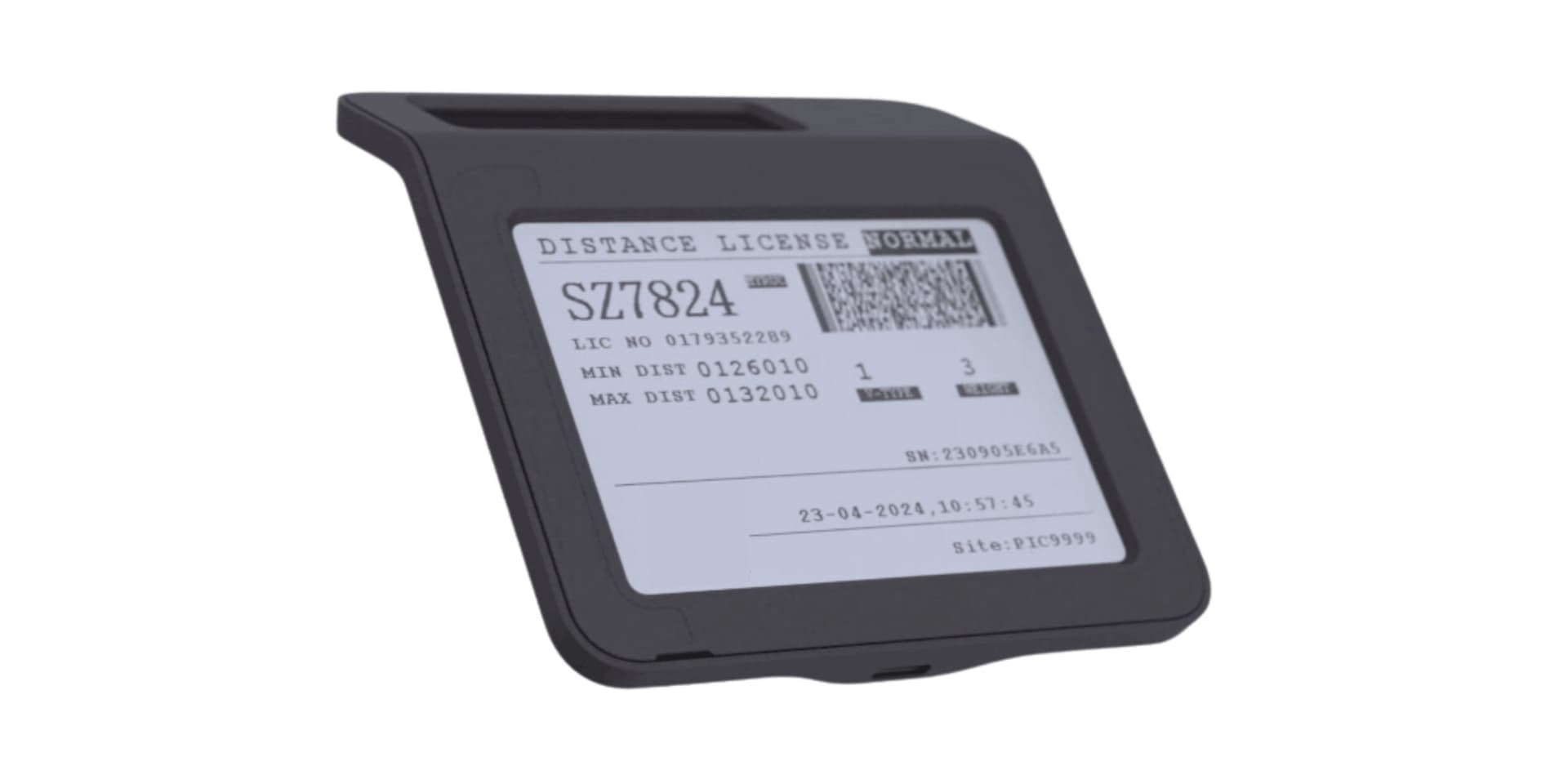
automate compliance through tools such as Smart eRUC and proactive reminders,
improve driver safety with AI-powered dashcams,
integrate fleet data across wider business systems,
and access responsive support that acts as an extension of their operation.
The broader market is now shifting from standalone telematics toward integrated fleet intelligence platforms — solutions designed to help businesses operate safer, more efficiently, and with greater operational control.
In many ways, the industry conversation is shifting from:
“Can we track our vehicles?”
to:
“How do we run a safer, smarter, and more efficient fleet?”
Why “Close Enough” Fleet Management Is Becoming Expensive
Operational pressure across New Zealand fleets is increasing.
Fuel costs remain volatile. Compliance expectations continue to grow. Customer expectations are rising. Many businesses are now managing mixed diesel and EV fleets, dispersed field teams, and more complex operational environments than they were just a few years ago.
At the same time, many fleet processes are still heavily manual.
For some businesses, that means:
spreadsheet-based reporting,
manual odometer reconciliation,
disconnected systems,
delayed visibility,
or operational issues only being discovered after costs have already increased.
That approach worked when operations were simpler and margins were wider.
It is becoming much harder to sustain in today’s environment.
A vehicle idling for an extra 20 minutes may not seem significant in isolation. Repeated across multiple vehicles every day, however, it becomes a meaningful operational cost.
The same applies to inefficient routing, missed maintenance, or delayed compliance reporting.
The issue is rarely one large operational failure.
It is the accumulation of smaller operational inefficiencies that businesses often struggle to see in real time.
This is also why more fleets are moving toward proactive operational management instead of retrospective reporting. Businesses increasingly want visibility early enough to fix inefficiencies before they become expensive.
GPS Tracking Is No Longer Enough
Traditional GPS vehicle tracking still plays an important role.
Location visibility, route history, and vehicle accountability remain valuable operational tools.
But modern fleet operations increasingly require deeper operational insight.
Today, businesses want fleet tracking systems that help them:
reduce fuel waste,
improve driver safety,
automate compliance processes,
monitor operational performance,
simplify administration,
improve vehicle utilisation,
and support faster operational decisions.
This is particularly relevant for New Zealand service fleets, infrastructure businesses, construction companies, tradie fleets, transport operators, and field service teams where operational efficiency directly impacts profitability.
The businesses adapting best are not necessarily investing in more technology for the sake of it.
They are investing in better operational visibility.
According to Verizon Connect research, 47% of fleets achieved positive ROI from fleet tracking technology within under one year, with savings driven by improvements in fuel efficiency, maintenance, and operational oversight.
Why Smart eRUC Reflects a Much Bigger Shift
Electronic Road User Charges (eRUC) are often discussed primarily as a compliance tool.
In reality, the growth of Smart eRUC reflects a much broader operational transition happening across the fleet industry.
Fleet systems are moving:
from manual to automated,
from fragmented reporting to connected systems,
and from retrospective reporting to real-time operational data.
For businesses still relying on manual RUC processes, spreadsheets, or disconnected workflows, that shift matters.
Not because compliance is suddenly impossible, but because operational tolerance for inefficiency is shrinking.
As businesses scale, even small reporting delays or administrative errors create unnecessary operational friction.
The New Zealand Government has already signalled a broader shift toward electronic RUC systems, reinforcing the view that it’s not a matter of if, but when, the industry moves away from manual processes and toward more connected, digital compliance frameworks, with wider commercial implementation expected from 2027 onward.
That is why many NZ fleets are increasingly viewing Smart eRUC as part of a larger operational ecosystem that includes:
fleet tracking,
fuel monitoring,
AI dashcams,
compliance automation,
and operational analytics.
The goal is not simply easier compliance.
It is better operational control.
Fuel Visibility Is Becoming a Competitive Advantage
Fuel remains one of the largest operating costs for many NZ fleets.
Yet many businesses still manage fuel reactively rather than operationally.
Without real-time visibility, operators are often relying on averages, fuel card summaries, or retrospective reporting to understand fleet performance.
The problem is that retrospective reporting rarely prevents inefficiencies before they happen.
Modern fleet tracking platforms are increasingly helping businesses identify:
excessive idling,
inefficient routes,
driver behaviour patterns,
unnecessary vehicle usage,
maintenance-related inefficiencies,
and operational trends that contribute to rising fuel spend.
Poor vehicle maintenance alone can significantly increase fuel consumption over time. Excessive idling can quietly add substantial cost across active fleets. Across larger operations, these inefficiencies compound quickly.
Industry research also shows driver behaviour alone can impact fuel consumption by up to 30%, while route optimisation and eco-driving initiatives can deliver significant fuel savings when consistently applied.
The fleets responding best are increasingly using operational data to improve decision-making before costs escalate.
The 3G Shutdown Was a Warning Sign
The recent 3G shutdown across New Zealand exposed something many businesses had not fully considered:
Operational systems can quietly become outdated while still appearing functional.
For some fleets, the transition was straightforward.
For others, tracking visibility and operational reporting were unexpectedly disrupted as older systems stopped communicating reliably.
The lesson was not simply about connectivity.
It highlighted how dependent modern operations have become on reliable, connected fleet systems.
As operational environments become more data-driven, businesses increasingly need systems capable of supporting:
reliable real-time reporting,
operational visibility,
compliance automation,
and accurate decision-making.
That shift is already changing how many NZ businesses evaluate fleet technology.
Increasingly, businesses are also asking a broader question:
Will the technology we invest in today still support the operational and compliance requirements we will face in the next five years?
What Modern Fleet Visibility Now Includes
For many businesses, fleet tracking is evolving into a much broader operational platform.
Modern connected fleet systems increasingly support:
GPS fleet tracking,
Smart eRUC,
fuel monitoring,
AI dashcams,
driver behaviour reporting,
maintenance visibility,
compliance automation,
and operational analytics.
Together, these systems create a clearer operational picture across the business.
For fleet managers, that means improved oversight and fewer surprises.
For operations managers, it means faster operational decisions.
For finance teams, it means better visibility over operational costs.
And for SME business owners, it means reducing operational friction while improving accountability across vehicles, teams, and worksites.
Increasingly, businesses are also prioritising connected platforms over disconnected tools. Recent industry research found that 89% of fleet professionals consider having one connected fleet platform across all vehicles important to operational success.
Why NZ Fleets Are Becoming More Data-Driven
Globally, fleet operations are becoming increasingly data-driven.
New Zealand is entering that same transition.
Research suggests New Zealand and Australia still sit below more mature telematics markets in overall adoption, despite growing operational pressure and rising fuel costs.
At the same time, recent fuel volatility and operational cost pressure are accelerating interest in smarter fleet management across the NZ market.
The businesses adapting best are not necessarily the ones collecting the most data.
They are the ones building stronger operational visibility and acting on operational insight faster.
That includes:
identifying inefficiencies earlier,
reducing manual administration,
improving compliance accuracy,
increasing fuel efficiency,
improving utilisation,
and making operational decisions based on real-time information instead of assumptions.
This is where operational advantage is increasingly being created.
And as operational pressure continues to grow, connected fleet visibility is becoming far more than a “nice-to-have” operational tool.
For many NZ businesses, it is becoming a critical part of cost control, compliance, operational performance, and long-term fleet management strategy.
About the author
Dan Marson is Head of Sales and Operations at Argus Tracking, where he and his team work with a wide range of businesses across AoG, healthcare, construction, transport, infrastructure, trades, field services and more throughout New Zealand. By working closely with fleet managers across diverse industries, Dan helps organisations identify operational inefficiencies, improve fleet visibility, strengthen compliance processes, and use GPS tracking, Smart eRUC, AI dashcams, and connected fleet data to make more informed business decisions.
Frequently Asked Questions About Fleet Tracking in NZ
-
Fleet tracking uses GPS and telematics technology to monitor vehicle location, activity, routes, and operational performance across a fleet in real time.
-
GPS tracking primarily focuses on vehicle location and movement.
Modern fleet management systems go further by providing visibility across fuel usage, compliance, maintenance, driver behaviour, operational reporting, and wider business performance.
-
Fleet tracking systems can identify excessive idling, inefficient routes, unnecessary vehicle usage, and driver behaviour patterns that contribute to fuel waste.
Many modern systems also support driver coaching, route optimisation, and operational reporting that help businesses improve long-term fuel efficiency.
-
Smart eRUC is an electronic Road User Charges solution that automates RUC distance recording and reporting, helping businesses reduce manual administration and improve compliance accuracy.
-
Many NZ businesses are facing rising fuel costs, tighter compliance expectations, and increasingly complex operations.
Operational visibility helps businesses identify inefficiencies earlier, improve decision-making, and reduce operational friction.
-
Yes. Modern fleet systems can automate reporting, improve record accuracy, simplify RUC administration, and support operational compliance processes.
-
Fleet tracking is widely used across construction, trades, transport, infrastructure, utilities, field services, and service-based businesses operating multiple vehicles or mobile teams.
-
Many businesses now look beyond basic GPS tracking and prioritise features such as:
real-time operational visibility,
Smart eRUC,
fuel monitoring,
AI dashcams,
compliance automation,
operational analytics,
connected reporting systems,
and responsive local support.